






In hospice care, the final chapter of life is approached with compassion, dignity and intention. Yet once a patient passes, families are often left to navigate a fragmented web of responsibilities on their own—medical paperwork, benefits, account closures, estate matters and identity protection. And while the hospice team may have walked with them to the very end, what comes next frequently falls outside your scope—but not outside the family’s expectations.
This lack of coordinated follow-through creates a burden that can affect your hospice team, your families and your mission.
The Hidden Cost of Fragmentation
When a loved one dies, families are thrust into a world of tasks they never prepared for. With no central guide and little awareness of next steps, they often turn back to the last person who helped them—your hospice staff.
As a result, hospices may experience:
- Increased Callbacks After Death: Nurses, social workers and bereavement coordinators often find themselves fielding questions about Social Security, life insurance or credit accounts—topics outside their training or responsibility.
- Overextended Staff: Already stretched teams are asked to take on roles more suited for estate or benefits specialists, leading to burnout and inefficiencies.
- Family Frustration: When families don’t know where to turn, their grief is compounded by confusion. If they don’t get the help they need, their perception of the entire end-of-life journey—including your care—can be negatively impacted.
Aftercare: Bridging the Gap Beyond Hospice
This is where structured aftercare becomes a powerful extension of your support.
Aftercare means providing non-legal estate guidance and next-step support for families after a death. In this type of program, specialists help close accounts, claim benefits, manage identity protection and create a personalized roadmap for settling the estate. These services are delivered compassionately, by phone, and at no burden to your staff.
For hospices, partnering with an aftercare provider offers several key advantages:
- Continuity of Care: Families feel supported not only during their loved one’s final days but in the weeks and months that follow—maintaining the sense of compassion and coordination that began with your team.
- Relief for Staff: Your nurses, chaplains and social workers no longer need to act as estate experts. When questions arise after a passing, families can be referred to trained aftercare specialists.
- Better Outcomes & Reputation: Families that feel supported post-death are more likely to speak positively of their experience, leave favorable feedback, and recommend your hospice to others.
Reimagining the Family Journey
Hospices excel at walking with families through the hardest part of the journey. But what if your support didn’t have to stop at the moment of death? By integrating service-based aftercare, hospices can help close the care loop—ensuring that families don’t fall through the cracks once other systems stop functioning.
Aftercare isn't about replacing your mission. It’s about extending it.
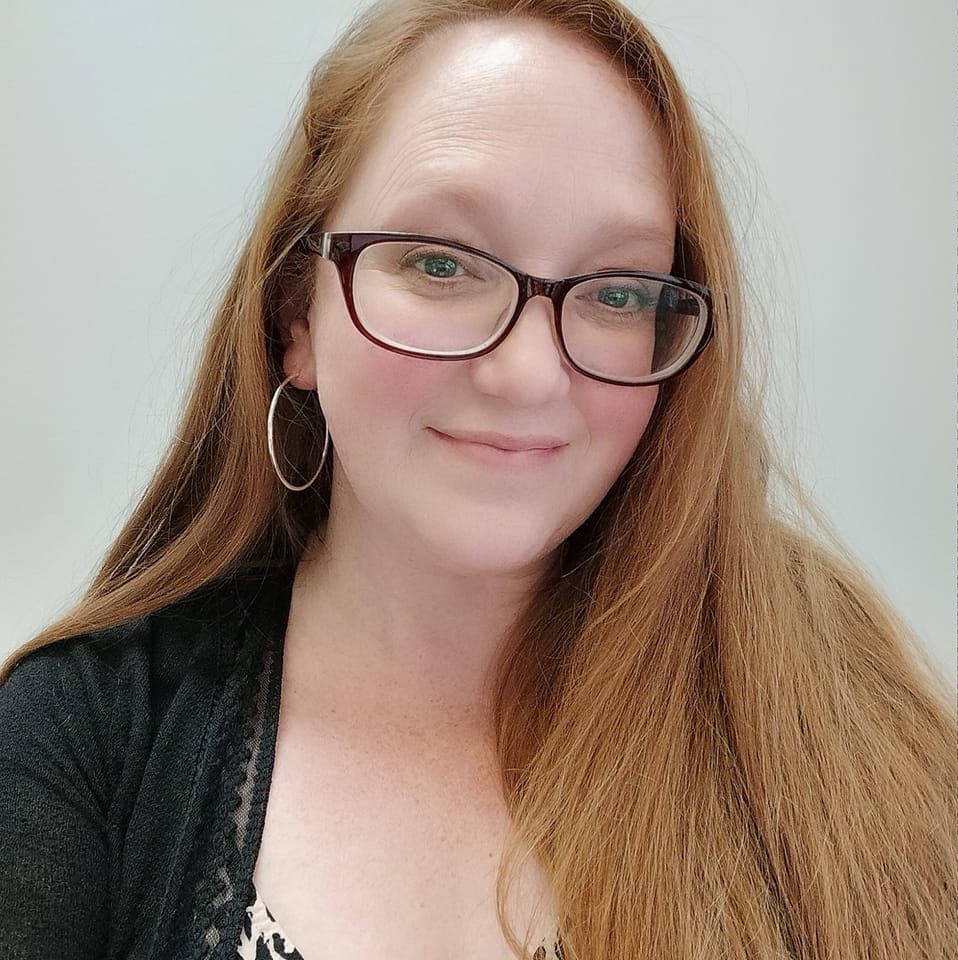
Nikki Schmutz was born and raised in Utah. She is a published writer and has spent many years working with special needs children and adults as a caretaker and registered behavior technician (RBT). In 2016 her life turned upside-down when she was widowed and left to care for four dependent children. Schmutz found a role she was made for when she became an estate specialist in 2019 at Full-Circle Aftercare. In February 2021 she was promoted to management as the account manager where she has been happily directing her funeral home and hospice clients (and their families) through the maze of non-legal personal estate settlement.