

Fixing Caregiver Transportation Challenges in Homecare is Essential
When transportation breaks down, homecare providers face an operational crisis
In senior homecare, trust is the foundation of everything we do.
Families invite caregivers into their homes during some of the most challenging and vulnerable moments of their lives. They rely on those caregivers for daily assistance, safety, routine and peace of mind. When a caregiver doesn’t arrive—or shows up late—that trust erodes quickly.
While this reality may seem obvious, caregiver reliability remains one of the most persistent operational challenges facing senior homecare providers today. Industry conversations often focus on caregiver recruitment strategies and competitive wages, but an equally disruptive issue frequently goes unaddressed, and that’s whether caregivers can reliably get to work at all.
A missed visit isn’t just a scheduling inconvenience. For a senior living alone, it can mean missed medications, skipped meals, increased fall risk and hours of uncertainty for the client and their family.
A Personal Challenge That Changed My Perspective
As my father battled amyotrophic lateral sclerosis (ALS) more than a decade ago, my family experienced senior homecare firsthand. We were fortunate to have skilled, compassionate caregivers who genuinely cared about my father and our family, but reliable and consistent care were ongoing concerns.
Life happens, right? Cars break down. The weather makes travel unsafe. Public transportation is often limited or unavailable. Ride-share costs fluctuate and can quickly become unaffordable for caregivers who rely on them regularly. The issue was rarely a lack of effort or commitment. The problem was inconsistency, and in senior homecare, inconsistency carries real consequences.
That experience highlighted a difficult truth. Even the most capable and experienced caregivers can’t deliver care if they can’t reliably reach the client. It also underscored the need for in-home care models that better support caregivers operationally, so they can focus on caring for clients and not navigating obstacles just to get there.
An Industry With Enormous Promise & Pressure
The homecare sector continues to expand, driven by demographic shifts. An aging population, longer life expectancy and a strong preference for aging in place are fueling demand. According to the U.S. Bureau of Labor Statistics, employment for home health and personal care aides is projected to grow 22% by 2032, far faster than the average for all occupations.
That growth creates opportunity, but it doesn’t automatically ensure reliability or quality care. As demand accelerates, workforce instability remains a challenge. PHI National reports that annual turnover in homecare is approximately 80%, one of the highest rates across industries domestically.
Providers are stretched thin, scheduling teams spend endless hours reworking coverage and families are left uncertain about whether care will arrive as planned.
Transportation is a major, but often underestimated, contributor to this strain.
Many caregivers lack consistent access to a personal vehicle. In suburban and rural markets, public transit may not even exist. In urban areas, long commutes, dense schedules and traffic increase the likelihood of delays. Ride-share services can help, but costs may rise significantly during early mornings, late evenings and severe weather, making it largely unaffordable for the caregiver.
When transportation breaks down, it quickly becomes an operational crisis, which can impact visit coverage, caregiver satisfaction and client trust.
Reliability is the Service
In homecare, the service isn’t about checking off tasks. It’s about our presence.
A caregiver who arrives consistently, on time and is supported by their organization builds trust with clients and families. When reliability falters, even the best care struggles to overcome the loss of peace of mind. Rather than focusing solely on hiring more caregivers, we should ask a more fundamental question: how can we make reliability the center of our model?
Answering that means treating transportation as a core operational function. At SOLENVIA, we developed an in-house caregiver transportation system aimed at reducing late arrivals and last-minute cancellations while supporting caregivers who want to provide great care, but face barriers getting to work.
The impact is felt every day, especially during disruptions such as severe weather. While storms often lead to widespread call outs across the industry, caregivers who are supported by structured, reliable transportation continue to arrive safely and on time.
For families, that reliability translates into confidence and peace of mind, which is the most important outcome homecare providers can deliver.
Access & Speed Matter in Moments of Need
Transportation affects more than scheduled visits—it can directly impact access to care.
Across the industry, families often wait days between an initial inquiry and the start of in-home services. In many cases, the delay is logistical. Providers may have willing caregivers, but not caregivers who can reach a client quickly.
When transportation is integrated into operations, response times change dramatically. Caregivers can be deployed within two to three hours instead of days, which is critical for a patient discharged from the hospital or a family suddenly finding itself in crisis.
In these moments, reliability becomes king.
Reframing Operational Innovation
As the senior population continues to grow, the homecare industry must rethink what operational innovation truly means to us.
Technology, marketing and caregiver wage strategies all matter, but they don’t solve the reality families experience when care fails to arrive.
Transportation, scheduling infrastructure and fast deployment capabilities must be treated as the core of care delivery. Reliability must also be intentionally built into operations and not left to chance. This is an industry-wide challenge and one that requires our collective attention and real solutions.
Showing Up Remains the Standard
After serving thousands of families, growth isn’t what resonates most with us. It’s the relief families express when they realize they no longer must worry about whether care will arrive.
As our industry evolves, reliability must remain central to how care is delivered. In homecare, showing up isn’t simply the start of the job, it’s the foundation of a family’s peace of mind.
Author
-
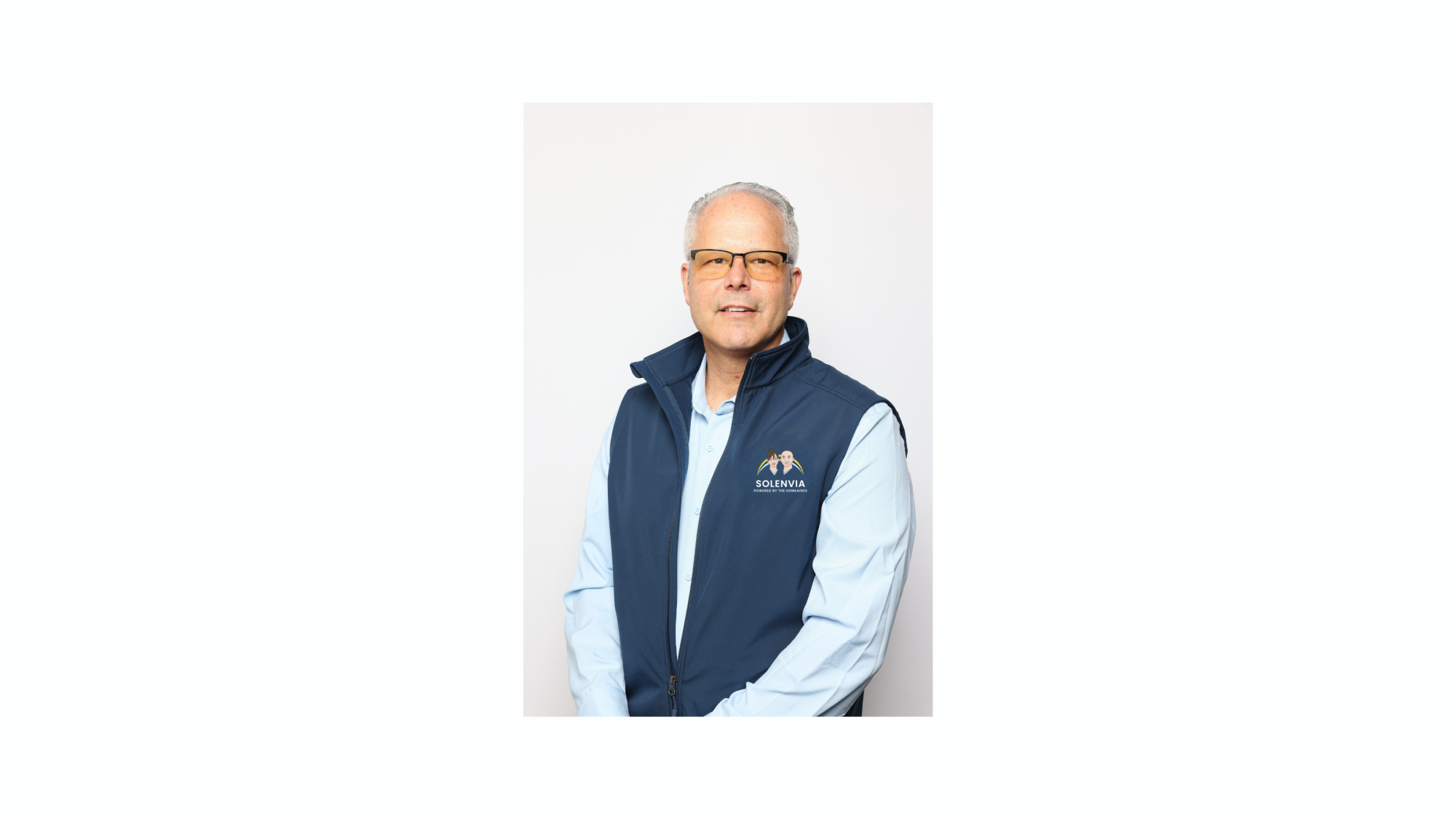
Bryan Dylewski founded SOLENVIA, powered by The HomeAides, and is a longtime leader in the senior care industry. He previously built and scaled a durable medical equipment company into one of the largest mobility providers in the country. In 2014, Bryan founded SOLENVIA after caring for this father battling amyotrophic lateral sclerosis (ALS).
OUR DIGITAL PARTNERS