
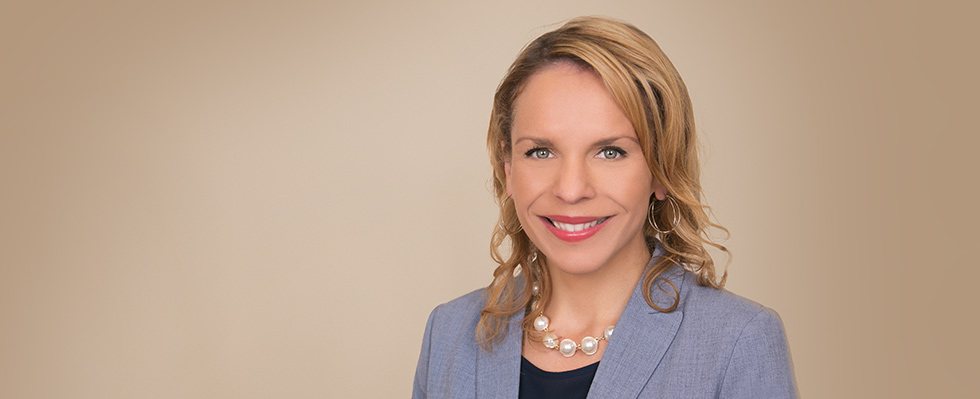
How Amber Cisneros Revived a Homecare Business
From the finance world to senior care

When Comfort Keepers was selling off its company-owned offices, Amber Cisneros, a former financial institution chief operating officer, purchased the Fredericksburg, Virginia, location, which had been declining for two years. Since she took over in 2024, the office has more than doubled in size, with roughly 220 clients and close to 200 caregivers. HomeCare asked Cisneros about her shift into the industry, how she approached the staffing crisis and what a “caregiver-first model” means to her.
HC: What made you decide to shift from being a chief operating officer at a financial institution to buying a declining senior care business?
Cisneros: For me, it really came down to purpose and people. I spent much of my career in financial services, leading teams, building cultures, improving the customer experience and driving business performance. I loved what I did, but I reached a point where I wanted to take everything I had learned about leadership and use it to make a more personal, meaningful impact on people’s lives.
When I started exploring business ownership, senior care really spoke to my heart. I saw an opportunity to build something that was not just financially successful, but that truly made a difference in people’s lives every single day. I knew I wasn’t buying a thriving business. I was buying a business that needed a lot of work, and quite frankly, that was part of what excited me. I saw the potential in the business, but more importantly, I saw the potential in the people.
My background wasn’t in senior care, but I knew how to lead people, build strong teams, create accountability and develop a culture centered around service. I believed those skills were transferable, and I was willing to put in the work to learn the industry. Moving my family across the country and leaving behind a successful corporate career was a huge leap of faith. But looking back, it was one of the best decisions I’ve ever made. Today, I get to combine my passion for people, leadership and business with a mission that truly matters.
I’ve always believed that when you put people first, business results follow. Senior care has given me the opportunity to prove that in a very meaningful way
HC: You have built your business around what you call a “caregiver-first model.” What does that mean to you, and why has it been a success?
Cisneros: I have a very simple philosophy: You cannot provide exceptional care to your clients if you are not taking exceptional care of your caregivers.
Our caregivers are the heart of our business. They are the ones showing up in our clients’ homes every day, building relationships, providing comfort and making a difference in people’s lives. Yet, historically, caregiving has often been an undervalued profession.
I wanted to change that, at least within my organization.
For me, a caregiver-first model means creating an environment where caregivers feel valued, respected, supported and genuinely connected to the organization. It means investing in their training, providing competitive compensation and benefits, recognizing their contributions, listening to their feedback and creating opportunities for growth.
But it’s also about the little things: knowing who your caregivers are, understanding their challenges, celebrating their successes and making sure they know they matter.
I also believe accountability is an important part of a caregiver-first culture. Supporting caregivers doesn’t mean lowering expectations. It means setting clear standards, giving people the tools to succeed and holding everyone accountable to delivering the level of care our clients deserve.
We work hard to make our caregivers feel like they are part of something bigger than just a job. And why has it worked? Because when people feel valued, they show up differently. They’re more engaged, more committed and more invested in the people they serve. That creates a positive cycle. Happier caregivers lead to better client experiences, stronger relationships, better retention and ultimately a healthier, more successful business.
Our caregivers take care of our clients, and it’s our responsibility to take care of our caregivers. It’s really that simple.
HC: How has leaning on a peer performance management group of fellow owners helped you work out hiring and operations problems?
Cisneros: One of the most valuable lessons I’ve learned as a business owner is that you don’t have to figure everything out on your own.
Coming from a corporate environment, I was accustomed to having strong leadership teams, established systems and colleagues I could collaborate with. When you become a business owner, especially in a new industry, you quickly realize how important it is to surround yourself with people who understand the challenges you’re facing.
My peer performance management group has been an incredible resource for me. There is something really powerful about sitting in a room with other owners who are experiencing the same challenges, whether that’s caregiver recruitment, retention, scheduling, operational efficiency or managing growth.
We share what’s working, what’s not working and sometimes the mistakes we’ve made along the way. And I think that’s where the real value comes from. We can be vulnerable, challenge one another and hold each other accountable.
I’m a big believer that you don’t always have to reinvent the wheel. If another owner has developed a great process or found a solution to a challenge I’m experiencing, why wouldn’t I learn from that? At the same time, I enjoy being able to share what we’ve implemented in Fredericksburg and hopefully help other owners succeed.
The group has also helped me become a better leader. Sometimes you get so caught up working in your business that you forget to work on your business. Having that outside perspective helps me think more strategically and make better decisions.
To me, leadership isn’t about having all the answers. It’s about being willing to learn, collaborate, and surround yourself with people who challenge you to be better.
HC: Under your leadership, your Comfort Keepers branch has doubled in size. What would you tell other home health business owners who are struggling with caregiver retention?
Cisneros: The first thing I would tell them is to stop looking at caregiver retention as just a recruiting or staffing problem. It’s a leadership and culture opportunity.
You can spend all the money in the world recruiting caregivers, but if you don’t create an environment where people want to stay, you’re going to continue fighting the same battle.
When I purchased the business, I knew that if we wanted to grow, we had to build a strong foundation, and that foundation had to start with our people. We focused on creating a culture where caregivers feel respected, supported, and appreciated. We invested in our team, strengthened our communication, improved our processes and worked to create a better overall caregiver experience.
I also believe you have to listen to your caregivers. They’re the ones doing the work every day. They can tell you what’s working and where your organization needs to improve. But listening is only half the equation. You have to be willing to act on what you hear.
Another important piece is recognizing that caregivers have lives outside of work. Scheduling, consistency, communication and responsiveness matter. When a caregiver has a problem, how quickly and effectively your team responds can make the difference between that caregiver staying or leaving.
And finally, I would tell owners that recognition matters. People want to know their work is meaningful and that someone notices the difference they’re making.
I’m incredibly proud that we’ve grown to serve approximately 220 clients with a team of 200 caregivers, but I’m even more proud of the culture we’re building along the way. Growth is exciting, but growth without the right culture isn’t sustainable.
My advice is simple: Don’t focus solely on how to get more caregivers through the door. Focus on becoming the kind of organization great caregivers don’t want to leave.
HC: What is the most important lesson about staffing that you have learned during your journey of managing a senior care business?
Cisneros: I would say the biggest lesson I’ve learned is that staffing is not just about filling shifts. It’s about building relationships, creating trust and putting the right people in the right positions to succeed.
In this industry, it’s easy to become so focused on filling the schedule that you lose sight of the human side of staffing. But every shift represents a client who is depending on us and a caregiver who needs to feel prepared, supported and confident in their role.
I’ve learned that you have to be proactive rather than reactive. You need strong communication, reliable systems, clear expectations and a team that understands the importance of following through.
I’ve also learned that not every caregiver is the right fit for every client, and that’s okay. Matching caregivers with clients based on skills, personalities and needs is incredibly important. When you get that match right, you create … greater consistency in care.
One of our commitments is that no shift gets left unfilled. That’s a promise that requires tremendous teamwork from our entire organization. But perhaps the most important lesson is that you cannot build a successful staffing operation without investing in the people behind it, including your schedulers, care coordinators, recruiters and caregivers. They all play a critical role in delivering on our promises.
At the end of the day, we’re not just managing schedules. We’re managing people’s lives, both the clients who depend on us and the caregivers who make that care possible.
HC: Is there anything else you would like to cover that I didn’t ask about?
Cisneros: I think one thing I’d love to emphasize is that you don’t have to come from the senior care industry to make a meaningful impact in it. But you do have to be willing to learn, surround yourself with the right people and lead with both your head and your heart.
When I purchased Comfort Keepers Fredericksburg, I wasn’t an expert in homecare. What I brought was a passion for people, a commitment to service excellence and a belief that culture and business performance go hand in hand.
Over the past couple of years, we’ve accomplished things I’m incredibly proud of, but none of it happened because of one person. It happened because we have an amazing team of people who care deeply about what they do. And I think that’s something we sometimes lose sight of as business owners. We talk a lot about revenue, growth, margins and performance metrics, and those things absolutely matter. But behind every one of those numbers is a person.
A caregiver who feels appreciated, a family who can finally get a good night’s sleep, a senior who gets to remain safely and comfortably in their own home—those are the things that give our work meaning.
As we look toward the future, our focus continues to be on three things: elevating service, elevating care and elevating the human spirit. That’s more than a business strategy to me. It’s how I want us to show up for our clients, our caregivers, our community and one another.
I often say that business success is the outcome of doing the right things for people. If we continue to lead with integrity, invest in our people and never lose sight of why we do this work, the growth and success will follow. And for me, that’s what makes this journey so rewarding.
OUR DIGITAL PARTNERS