
Searching for the Sizzle
A challenging sales environment for HME beds and support surfaces requires clever tactics
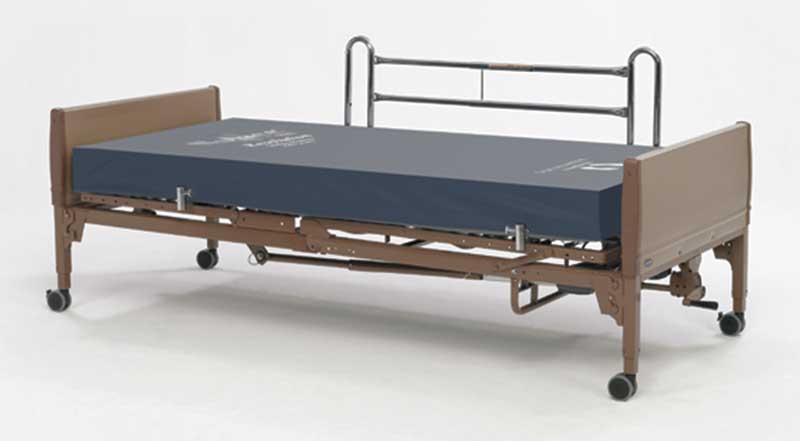
Most providers and manufacturers hoping for sizzling sales in the beds and support surface market were disappointed in 2012. However, industry veterans quickly followed up their tepid assessments with a caveat: it could have been worse.
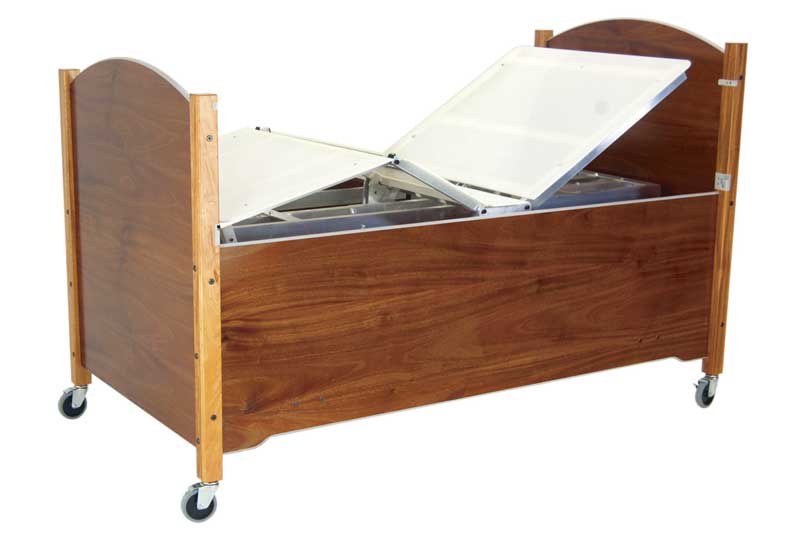
Al Flora, sales manager at Virginia-based SleepSafe Beds, opts to look at the bright side, citing “slow and steady growth” in a year that found many providers gearing up for reimbursement that will soon be governed by widespread competitive bidding rates. “We do hear about competitive bidding from DMEs that distribute our product,” acknowledges Flora. “It is hurting their profit, and it’s harder to make money now because of that.”
At Elyria, Ohio-based Invacare Corp., Phil Cunningham, business manager for HME and LTC beds, questions the business shift from rental beds to cap-out beds. Under the old model, he says, providers counted on getting rental beds back after six to eight months, at which point they could be cleaned up and put back out.
“There has been a shift among some of the competitive bidding winners,” explains Cunningham. “With bid amounts being low, they feel like it’s a matter of getting the bed out there and letting it reach the 13-month cap out. In the reduced reimbursement market, it is still going to be more profitable to do more rentals, but the provider will have to minimize service costs.
“The average length of Medicare rental didn’t change from 2010 to 2011, proving the cap-out model still has many unknowns,” Cunningham continues. “That patient is going to use that bed for the next five years. Warranties, repairs, customer satisfaction, patient safety and other factors will affect the overall cost of that product. These factors can impact the perception of the referral source, too.”
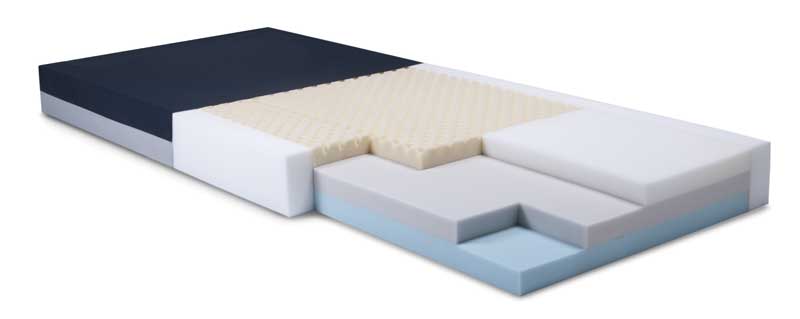
“Competitive bidding has affected many categories in our industry and home care beds were certainly not left out,” says Cynthia Counts, vice president of product management and homecare SBU, Graham-Field. “Because of the decrease in reimbursement in beds, many home care providers are making their buying decision primarily on price. Price cannot and should not be the only deciding factor when it comes to home care beds due to the fact that it is a rental item. Factors such as quality, replacement parts, lifetime of the product and patient safety need to be considered as the ‘cost in use’ of a home care bed. However, the easiest calculation to make when you are unsure about reimbursement, and the survival of your business may be at stake, is price.”
As if competitive bidding were not difficult enough, Ron Resnick, president of Blue Chip Medical, says many providers are also competing with the Internet. “You could go on many different sites such as Amazon.com or Walmart.com and buy a low air loss mattress system, but what do they know about a product?” laments Resnick. “Unfortunately, that is what’s happening. The person who buys the mattress ends up with the wrong product. It’s the ‘buy a box, sell a box’ mentality.”
While beds and support surfaces are usually driven by reimbursement, and thus governed by political considerations, some manufacturers and providers see it in an entirely different light than other products. “This is such a unique market,” says Flora, who conducts business in an office that also houses an 110,000 square-foot facility where the beds are manufactured. “With every bed that goes out, you are truly helping someone. We’re going to do what we can to help all our dealers continue to do business and take care of the end user, because that is the ultimate goal.”
Number of Beneficiaries Dropping
According to Cunningham, data from 2010 to 2011 shows the total number of Medicare beneficiaries (those utilizing beds and support surfaces) dropped by about 20,000 across the board, amounting to a 5-percent drop. Cunningham attributes some of this reduction to people moving into Group I surfaces, a category that uses a different code. “But ultimately you’re seeing a significant drop,” he says. “Overall, the market appears to be contracting in the Medicare world. When we look at private insurance or Internet sales, those channels are growing.”
Mitch Yoel, executive vice president of business development and government affairs at Drive Medical Design & Manufacturing, agrees that audit activity, impending changes from competitive bidding, increased documentation requirements and fewer providers providing Group II support surfaces have all affected the market. “We estimate that industry-wide, E0277 utilization is down approximately 15 percent on an annual basis, while the Drive line of Group I and Group II surfaces has grown tremendously,” he says.
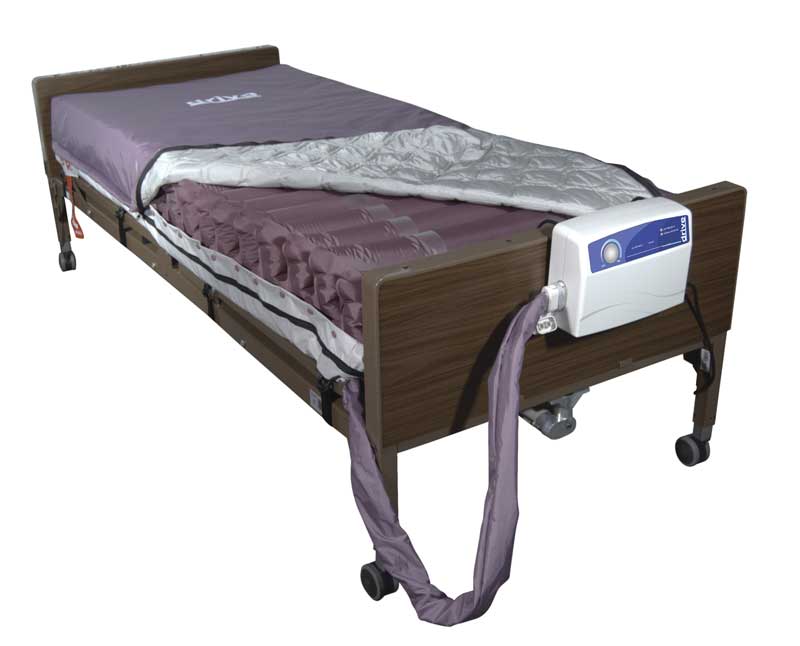
Yoel credits Drive’s market share success to the Port Washington, New York-based company’s “turnkey, comprehensive educational program on support surface technologies.” According to Yoel, the program allows providers to run a “business within a business,” ultimately branding the provider as “an expert wound care consultant, rather than as a mattress order-filler.”
Education Fuels Marketing
Resnick believes too many providers are looking for gimmicks when it comes to boosting sales for beds and support surfaces. Instead, he believes wholeheartedly in education and training. Hospitals, nursing homes and subacute facilities respect the knowledge gained through training, and this respect can translate into valuable relationships.
Blue Chip offers continuing education programs that Resnick says will “put you in front instead of handing things out.” The technical knowledge that gets providers crucial meetings is increasingly valued in today’s market, and that knowledge only enhances the business possibilities.
Within the business realm, Resnick believes providers look too much at price—to the detriment of the overall business. “If a dealer says to me, ‘You’re $200 too much,’ I may ask, ‘How many did you sell last year?’” says Resnick. “It’s not how much you save, it’s how many more you could have sold if you had the right product, and sold it through the right distribution channels—and through the right referral sources. It’s all about clinical outcomes. That is the whole key.”
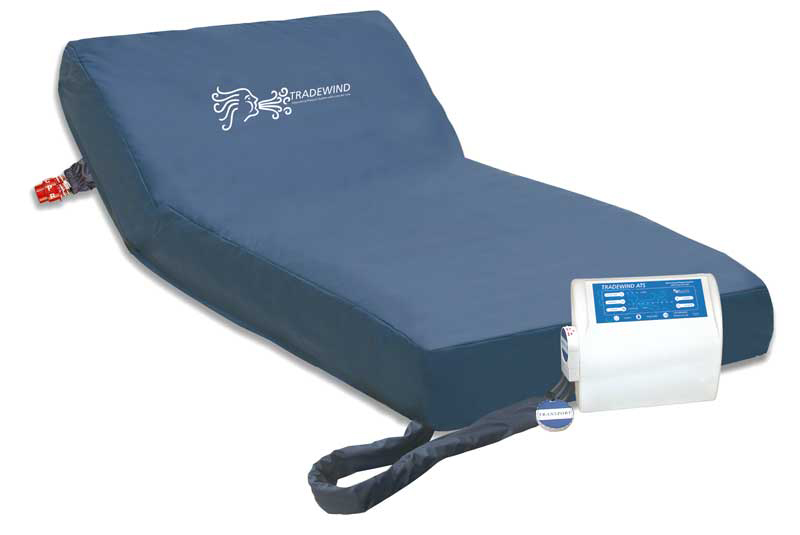
Despite industry-wide market difficulties, Suffern, N.Y.-based Blue Chip Medical had a good year in 2012. “We lost some business based strictly on price,” Resnick says. “And as the compression of the market occurs, dealers will be forced to look for lower prices. We are responding by introducing a product called Tradewind. We have our existing line, which is more of a long-term acute care line marketed to home care. TradeWind is a very high quality product, but we’ve taken a few of the bells and whistles out.”
Similarly, Invacare saw its ValueCare line grow significantly. “The market is split,” confirms Cunningham, “with some recognizing quality, and some asking for products with fewer features.”
The problem in today’s market, reasons Resnick, is that too many providers are short-sighted. They simply don’t realize that they have an opportunity to establish great working relationships with facilities, and these relationships may already be there through other sales. “Some providers sell the respiratory and don’t even pick up the mattress business,” says Resnick. “Then they don’t follow up, and that’s the difference.”
Drive Medical’s Yoel believes part of the problem also stems from providers treating support surfaces in the same way they treat commodity DME products. “You can’t win volume Group II business on service alone, nor can you do it calling on traditional discharge planning call points,” he says. “There are different call points, different decision makers. It is a more clinical sell, and providers must be able to communicate how the various available technologies match up with different patient populations. It’s not hard, but it is different.”
Ultimately, each manufacturer interviewed by HomeCare expressed optimism for the future of the market. “Despite the pressures on reimbursement, and the uncertainty of the impact of the Affordable Care Act,” says Lawrence de la Haba, senior vice president of business development at Graham-Field, “the underlying demographics on a worldwide basis continue to push the demand for our products.”
Sidebar
Visit Online
Blue Chip Medical
www.bluechipmedical.com
Drive Medical Design & Manufacturing
www.drivemedical.com
Graham-Field
www.grahamfield.com
Invacare
www.invacare.com
SleepSafe Beds
www.sleepsafebed.com
OUR DIGITAL PARTNERS